Plenty of San Diego homeowners search for how to install a garage door before deciding whether to tackle it themselves or bring in a professional. It’s a fair question. A garage door installation involves heavy panels, high-tension springs, and precise alignment work, and getting any one piece wrong can turn into a safety issue fast. This guide covers what the process actually involves, so you can make an informed call either way.
Whether you’re replacing an aging door after years of small fixes or starting from scratch on a new build, the fundamentals stay the same. What changes is how much prep work is needed beforehand, and that’s usually where a professional walkthrough saves the most time and avoids surprises once the job’s already underway.
What Does the Installation Process Look Like?
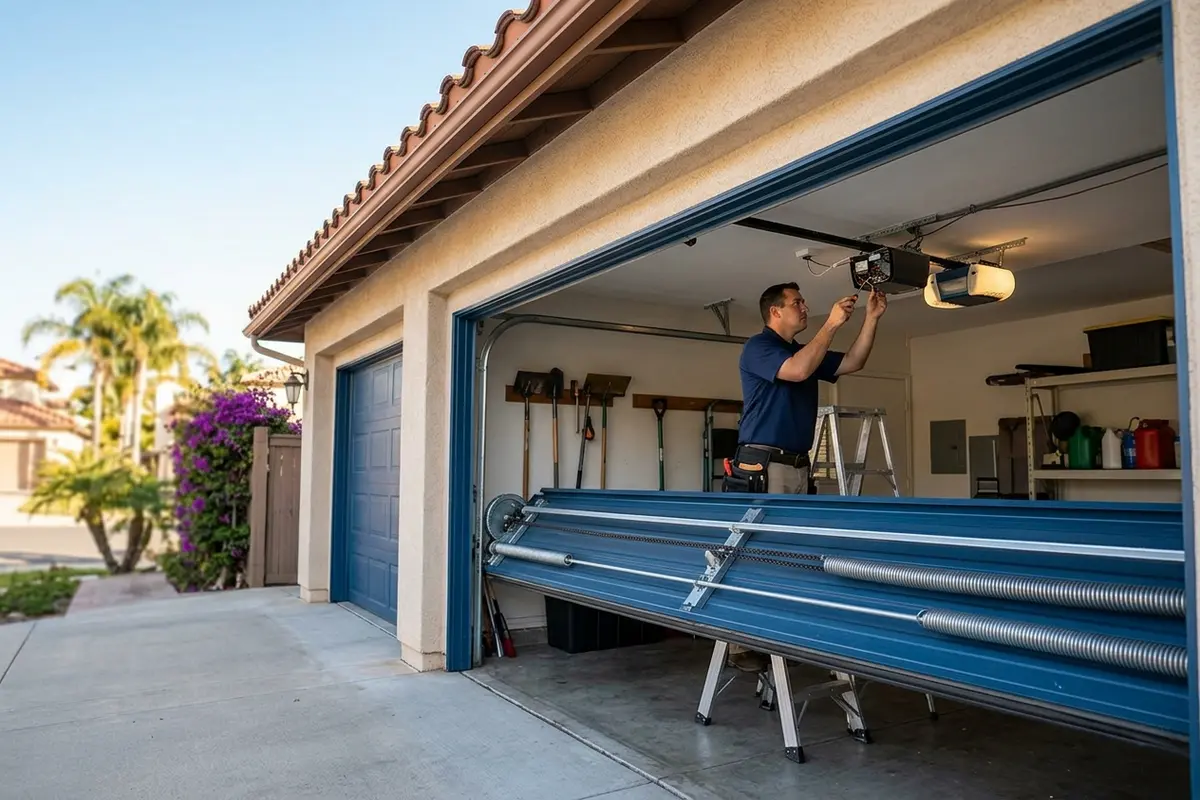
Installation starts with removing the old door and track system, then setting new vertical tracks and checking that the opening is square. Panels get assembled section by section, hinges connect each one, and rollers get seated into the track as the door goes up. Springs get wound to the correct tension last, which is by far the most dangerous part of the whole job.
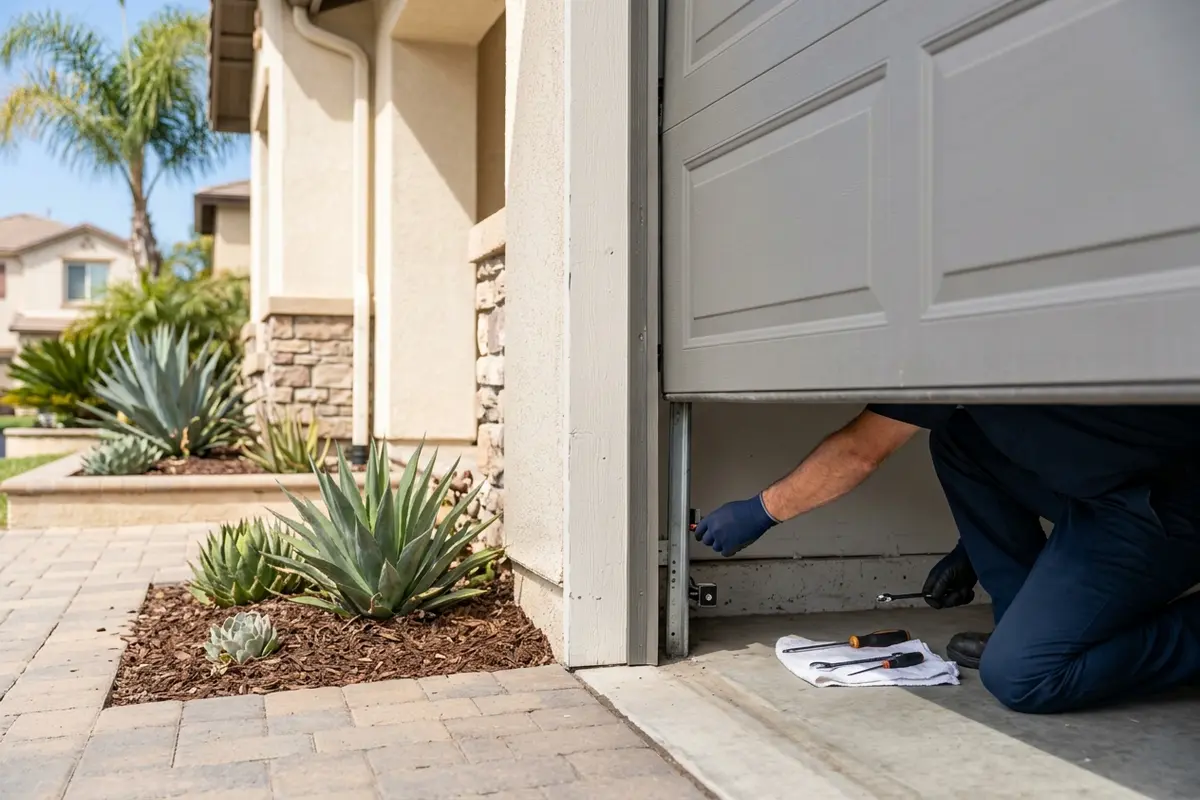
Once the door’s hung, the opener gets connected, safety sensors get aligned, and the whole system runs through several test cycles before anyone calls it finished. A technician will also check weatherstripping along the bottom and sides, since a poor seal here is a common source of drafts and pests getting into the garage later.
Can You Install a Garage Door Yourself?
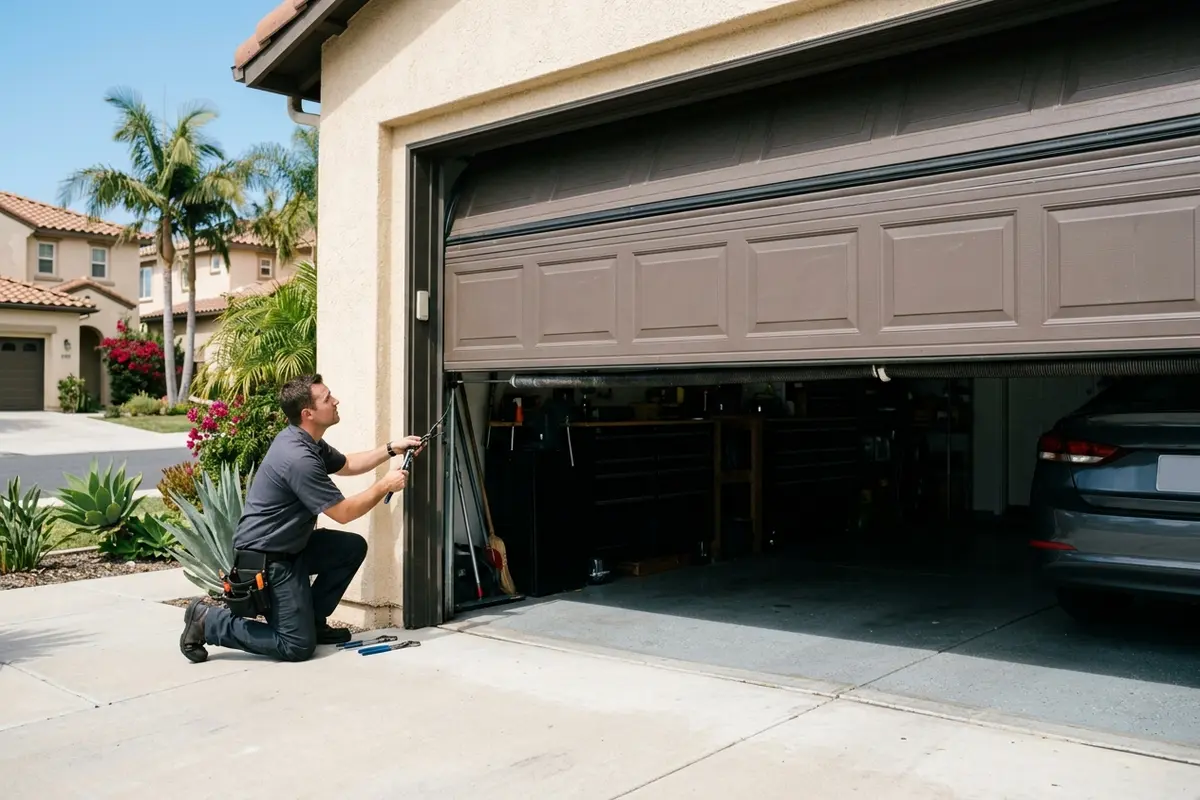
Technically, yes, and some very handy homeowners do. Realistically though, most people underestimate how heavy and awkward a garage door panel is to maneuver alone, especially on a first attempt. Misjudging spring tension is the biggest risk, and it’s the reason a lot of DIY installs either stall out halfway or end with a trip to urgent care.
Even homeowners who do finish a DIY install often end up calling for a follow-up adjustment anyway, once they notice the door isn’t tracking quite evenly or the opener force setting feels too aggressive. That follow-up visit sometimes costs nearly as much as just booking a professional install from the start, which somewhat defeats the point of doing it yourself in the first place.
What Tools and Materials Are Needed?
A full install calls for winding bars, a level, a drill, various wrenches, vice grips to lock the door in place mid-assembly, and the door kit itself with all mounting hardware. Specialty tools for spring tensioning aren’t things most garages have sitting around, and buying them for a one-time job rarely makes financial sense.
Beyond tools, there’s also the matter of disposing of the old door and track system safely, which most municipal pickup services won’t take without special arrangements. That’s a detail that catches a lot of DIYers off guard once the new door’s already up and the old one is just sitting in the driveway.
What Are the Risks of DIY Installation?
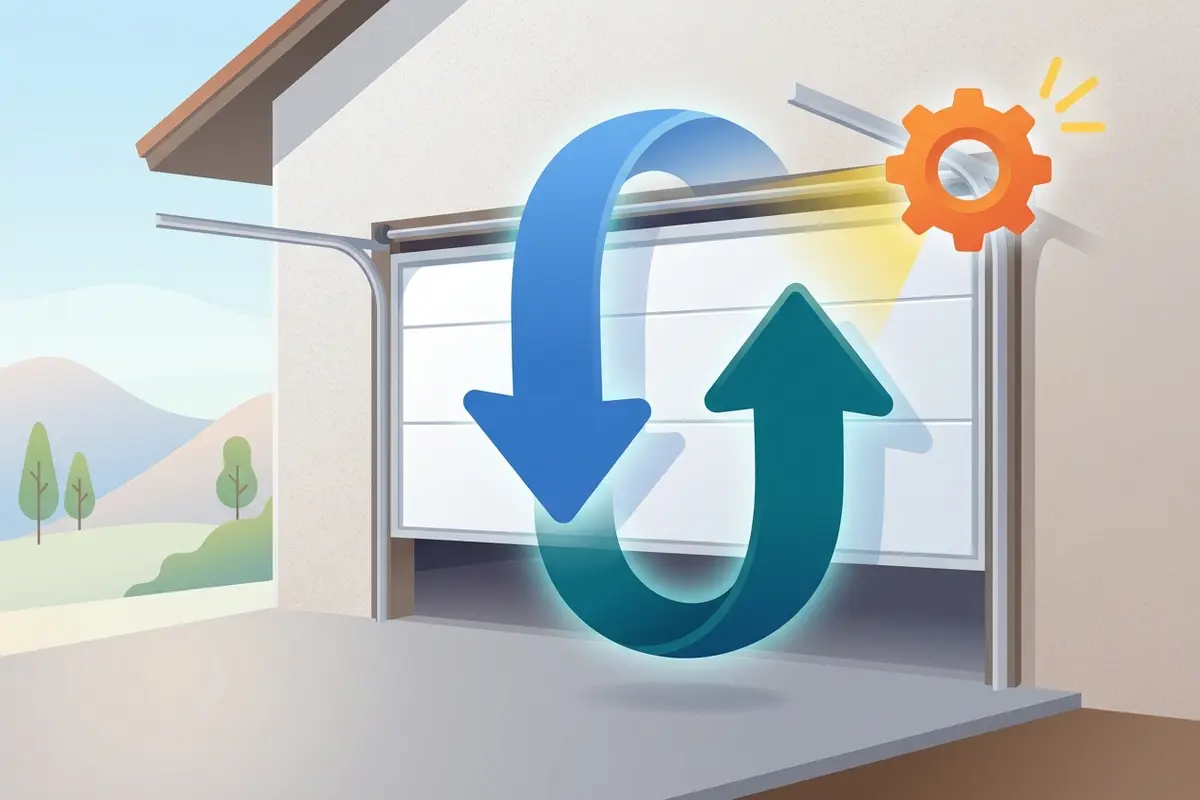
Torsion springs store a huge amount of energy, and a spring that slips while under tension can cause serious injury. Beyond the safety risk, a door that’s installed slightly out of square will bind, wear unevenly, and need Garage Door Repair far sooner than it should. What looks like a straightforward weekend project often turns into a costly redo.
Spring tensioning specifically is worth calling out again, since it’s the step most DIY guides gloss over. Getting it wrong doesn’t just mean a door that doesn’t work well, it means a door that can slam shut with real force. If spring work feels intimidating even reading about it, that instinct is usually correct, and Spring Repair & Replacement is worth booking separately from a general contractor if you’re doing any part of this yourself.
How Long Does a Professional Installation Take?
Most standard residential installs finish in a single day, often within four to six hours depending on the door type and whether the opening needs any structural adjustment. Insulated doors and custom sizes can add time since the panels are heavier and sometimes need extra fitting. A technician will usually give a realistic time estimate during the initial quote rather than a vague “half a day or so” that doesn’t hold up once the crew actually arrives.
What Happens After the Door Is Installed?
A new door still needs some care in the first few weeks. Hardware settles a bit as the door cycles regularly, and a follow-up adjustment is sometimes recommended after the first month. Setting up regular Garage Door Maintenance from the start keeps everything aligned and catches any settling issues before they turn into bigger problems down the line.
How Does Local Climate Affect Door Longevity?
San Diego’s mild weather is easier on garage doors than most parts of the country, but the coastal humidity and salt air still take a toll on hardware over time, especially unprotected steel hinges and rollers. Homes further inland, out toward El Cajon or Santee, tend to see less corrosion-related wear, while beach-adjacent properties benefit from galvanized or coated hardware that resists rust longer.
None of this changes the installation process itself, but it’s worth mentioning to your technician if you’re near the coast, since they may recommend slightly different hardware finishes for better long-term durability.
How Do You Choose the Right Door Material?
Steel doors dominate the San Diego market because they hold up well against the coastal climate without the maintenance a wood door demands. Aluminum and glass combinations have become more popular for modern-style homes too, especially in newer developments where curb appeal matters for resale. Wood still shows up on older Craftsman-style homes, though it needs more upkeep to resist warping in humid stretches near the coast.
Insulation is worth weighing regardless of material, particularly for garages attached directly to living space. An insulated door keeps the attached rooms more comfortable and cuts down on road noise too, which matters more on busier streets than people initially expect.
What Should You Expect During the Quote Visit?
A technician measuring for a new door will check the opening size, look at the condition of the tracks and header, and ask about your priorities, noise, insulation, style, budget. This visit typically takes twenty to thirty minutes and results in a written estimate rather than a verbal guess. It’s the right time to ask every question you’ve got, since decisions made here are hard to walk back once the order’s placed.
Does Installing a New Door Affect Home Value?
Real estate data consistently shows garage door replacement as one of the better-returning home improvements at resale, often recovering a large share of its cost in added home value. For San Diego specifically, curb appeal matters even more given how competitive the resale market tends to be, and a tired or dated door is one of the first things a buyer notices pulling into the driveway.
Get Professional Installation in San Diego
Apex Garage Doors handles full Garage Door Installation across San Diego, with certified technicians who complete most jobs in a single day. Skip the spring-tensioning gamble and get it done right the first time. Reach out through Contact Us for a free estimate.